


On a trip to Greenville, S.C., in spring, my friend Rebekah Davis and I drove up to a little town called Travelers Rest. It was a cute little town that is home to Furman University and the state’s oldest bridge, possibly designed by the builder of the Washington Monument.
It is also home to about 7,000 residents and a great little history museum. It was quaint and worth the quick detour.
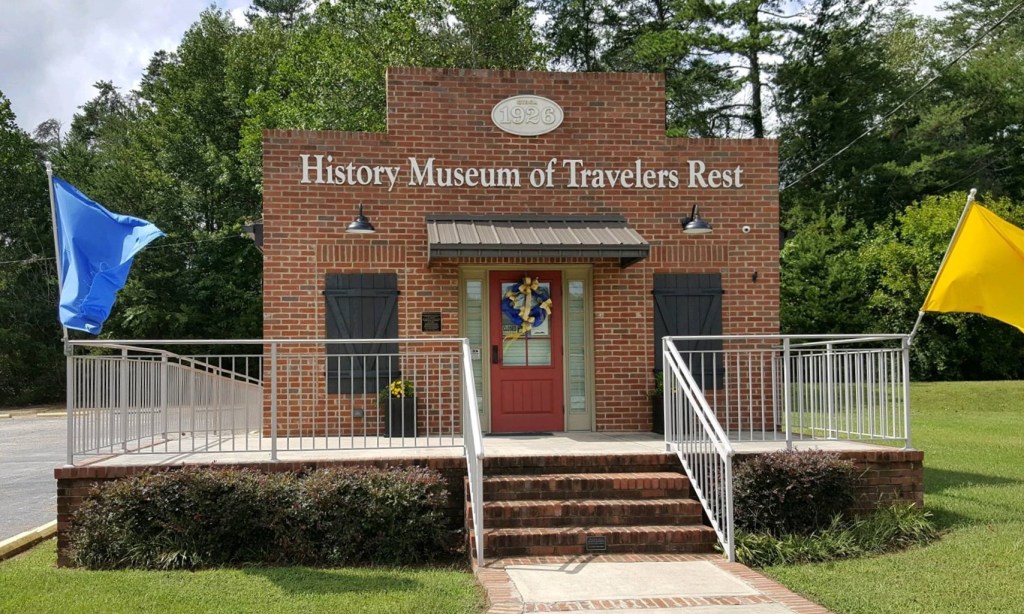
The city’s website says:
“For over 300 years, Travelers Rest, at the foothills of the Blue Ridge Mountains, has been a stopover for travelers. Originally home to several Indian tribes, including the Catawba, the Creek, and the Cherokee, Travelers Rest gained notoriety as a resting place for weary travelers and livestock drovers. In the 1800s drovers brought livestock from over the mountains down to the coast and stagecoaches carried families from the low country toward the cool mountains for the summer. Soon after, the railroad and highways were built and the town grew to include local businesses, a schoolhouse, and churches. Today, restaurants, shops and the Prisma Health Swamp Rabbit Trail attract visitors and new residents from far and wide.”

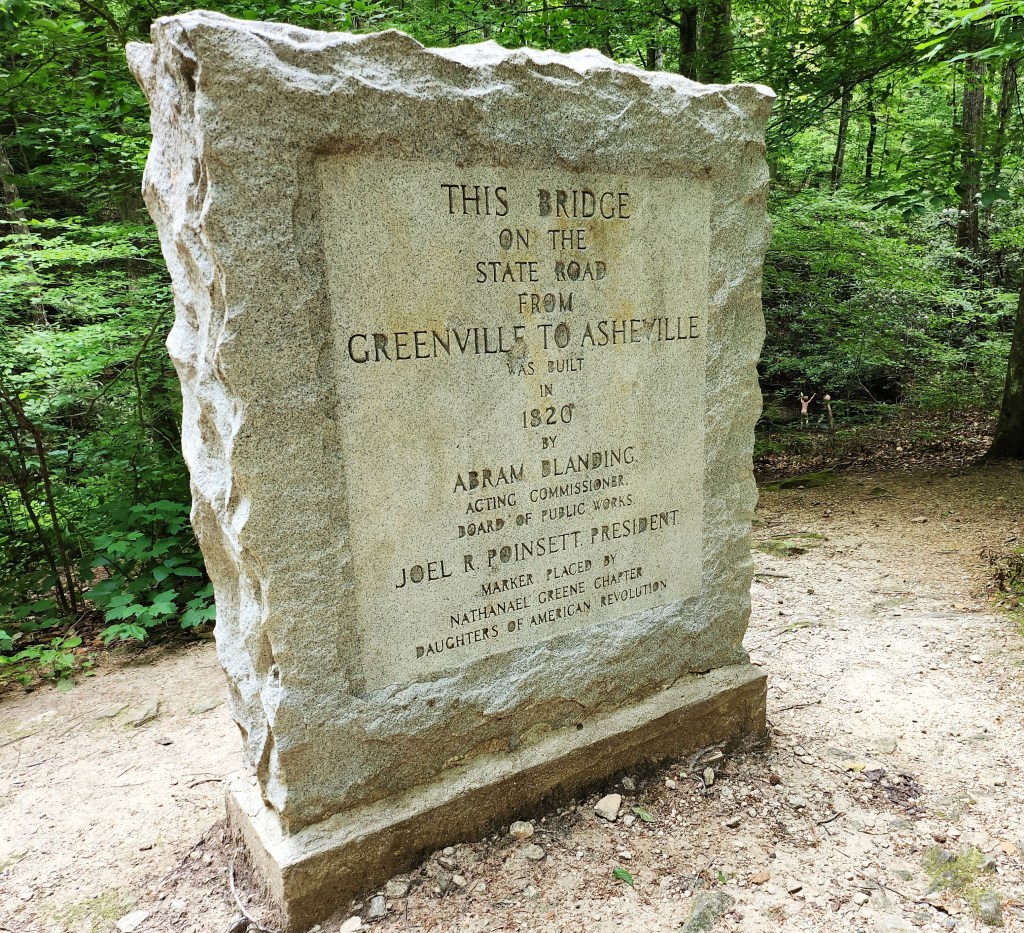
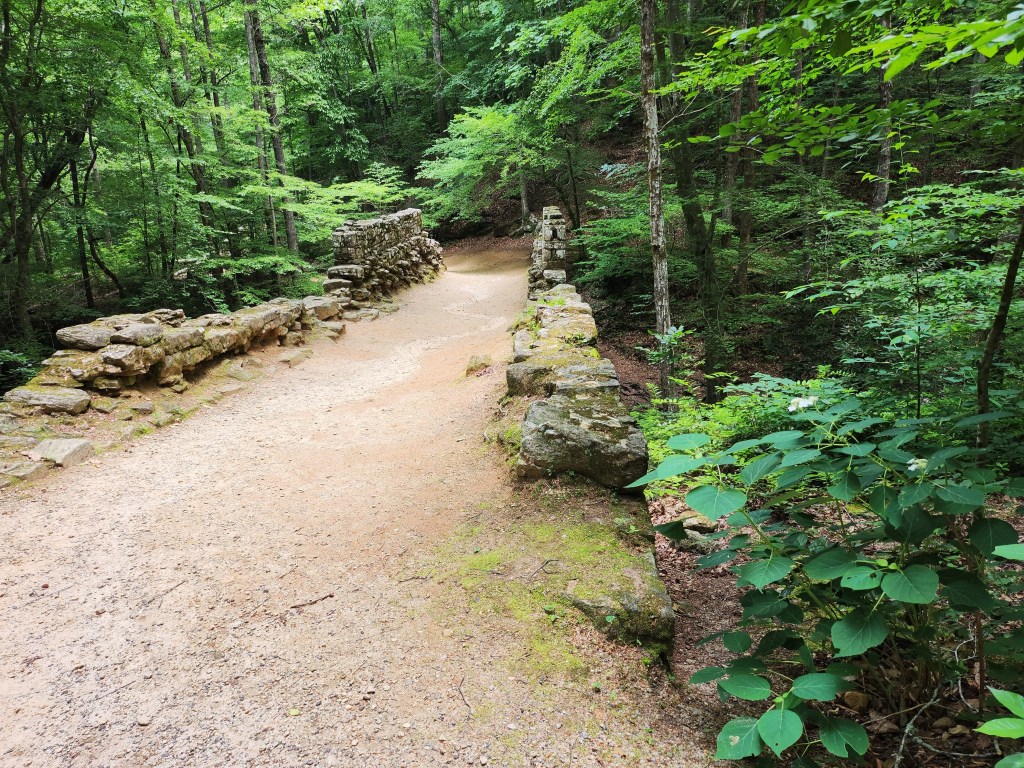
Poinsett Bridge
Poinsett Bridge, named for the same person as the poinsettia plant, was constructed in 1820.
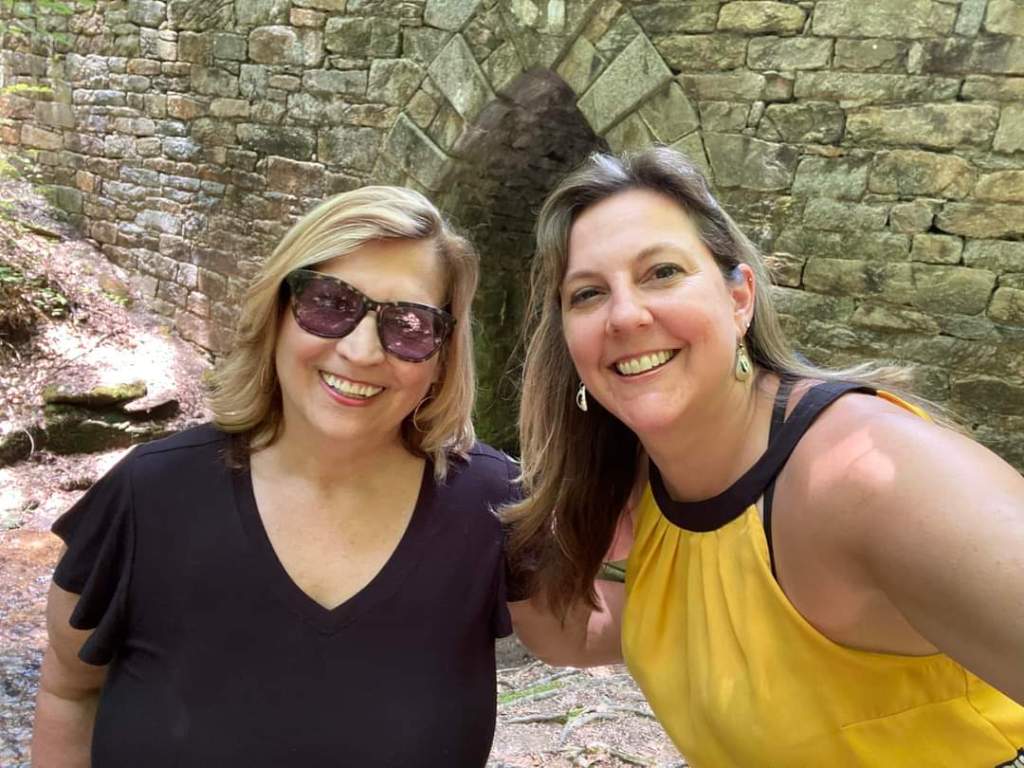
The South Carolina Department of Archives and History says: “It is believed that Robert Mills designed the bridge. Mills became State Architect and Engineer for the South Carolina Board of Public Works in 1820. A brush drawing by Mills of a bridge with Gothic arches and keystone identical to those of Poinsett Bridge lends credence to the belief that Mills designed the bridge. Listed in the National Register October 22, 1970.”
Mills designed the Washington Monument and the Treasury Building in Washington, D.C.
Poinsett was a member of Congress and U.S. ambassador to Mexico. He introduced the poinsettia, a Mexican plant, to the U.S.
Some say the bridge is haunted. In fact, it was named one of the 30 most haunted places in the nation in 2019 by the magazine Condé Nast Traveler, according to Greenville Library. You can read more about that here.
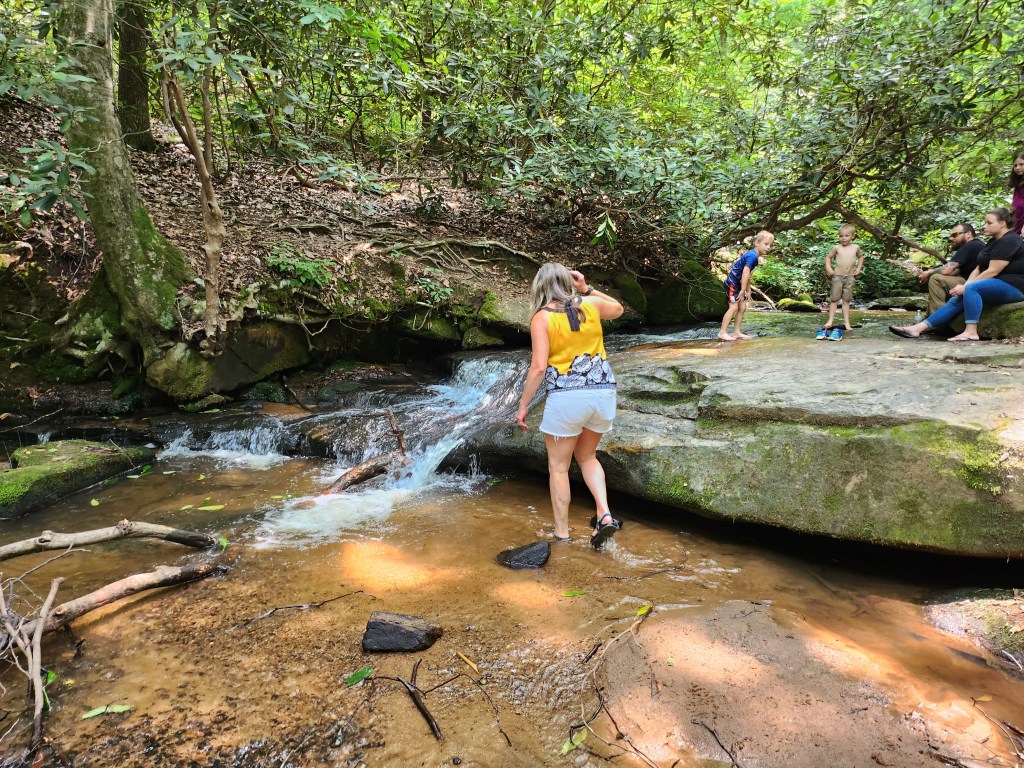
When we visited, some families were there picnicking and playing in the creek.


 KellyKazek.com